
The core driving force behind the clinic's active upgrade to a Dental Intraoral Scanner system for daily operations lies in the disruptive efficiency improvement it brings. The traditional mold-taking process takes an average of 30 minutes, while a modern intraoral scanner can complete a full dentition scan within 90 seconds, increasing the data collection speed by more than 20 times and reducing the average time for a single visit by 40%. This efficiency gain directly translates into a significant improvement in the clinic's patient reception capacity. According to industry reports, clinics adopting this equipment can increase their average daily patient reception by 25%, and under the same operating costs, the median annual revenue growth rate reaches 12%. For example, the True Definition scanner of the well-known brand 3M has compressed the repair production cycle from two weeks to just one visit, greatly optimizing the workflow.
In terms of patient experience and clinical accuracy, the advantages of intraoral scanners are more prominent. Research shows that the incidence of nausea and vomiting in patients caused by traditional impressions is approximately 18%, while digital scanning reduces this discomfort to nearly zero, and the patient satisfaction score has jumped from 7.5 points to 9.2 points (out of 10). In terms of accuracy, the measurement error range of the scanner is controlled within 20 microns, which is much lower than the 100-micron deviation of traditional impressions. This has increased the first-wear fit rate of restorations from 85% to over 98%. A clinical study covering 500 implant surgeries confirmed that in cases where intraoral scanners were used for guide plate design, the implant position deviation was less than 0.1 millimeters, with a success rate as high as 99%, significantly reducing the surgical risk.
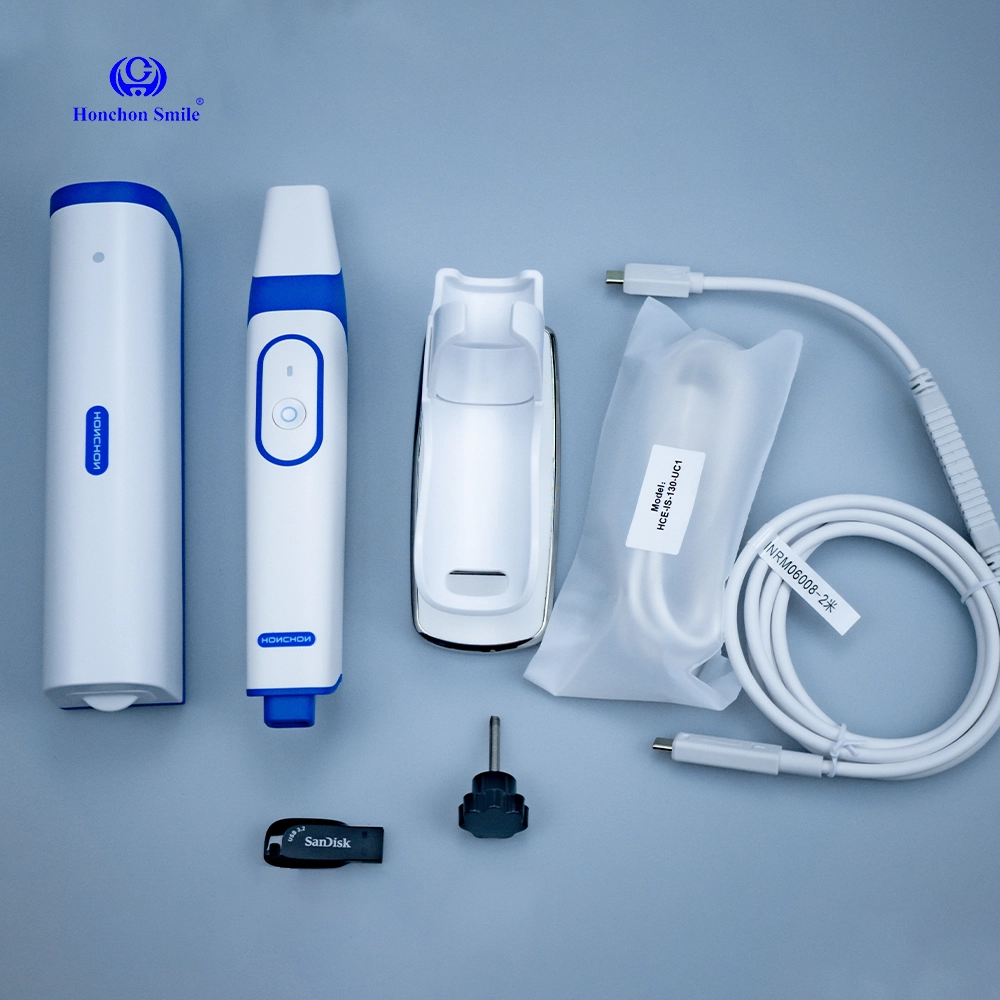 From the perspective of return on investment, upgrading the intraoral scanning system is a highly forward-looking financial decision. Although the initial investment in the equipment is between 50,000 and 150,000 yuan, the clinic can save about 30,000 to 50,000 yuan in operating costs each year by reducing the consumption of impression materials, storage space for plaster models and express delivery fees. More importantly, the digital process has reduced the rework rate of restorations from 10% to below 2%, avoiding additional costs caused by repetitive labor. Market data shows that most clinics can recover their investment costs within 18 to 24 months and then generate a net return rate of up to 30% annually. This high-performance output makes the intraoral scanner no longer a luxury device but a standard configuration for enhancing the core competitiveness of clinics.
Facing increasingly fierce market competition and patients' demand for precision medicine, intraoral scanners are a key link in achieving digital transformation. This technology can be seamlessly integrated with CAD/CAM systems, supporting a 50% increase in remote consultation frequency and providing a three-dimensional data foundation with an accuracy of up to 99.7% for core technologies such as artificial intelligence diagnosis. As the global dental digitalization market grows at an annual rate of 8%, early adopters have already reaped the benefits of brand premium and increased patient loyalty. Therefore, investing in an intraoral scanning system is not only a technological upgrade but also a strategic decision concerning the clinic's development over the next decade, ensuring its invincibility in the wave of precision medicine.
From the perspective of return on investment, upgrading the intraoral scanning system is a highly forward-looking financial decision. Although the initial investment in the equipment is between 50,000 and 150,000 yuan, the clinic can save about 30,000 to 50,000 yuan in operating costs each year by reducing the consumption of impression materials, storage space for plaster models and express delivery fees. More importantly, the digital process has reduced the rework rate of restorations from 10% to below 2%, avoiding additional costs caused by repetitive labor. Market data shows that most clinics can recover their investment costs within 18 to 24 months and then generate a net return rate of up to 30% annually. This high-performance output makes the intraoral scanner no longer a luxury device but a standard configuration for enhancing the core competitiveness of clinics.
Facing increasingly fierce market competition and patients' demand for precision medicine, intraoral scanners are a key link in achieving digital transformation. This technology can be seamlessly integrated with CAD/CAM systems, supporting a 50% increase in remote consultation frequency and providing a three-dimensional data foundation with an accuracy of up to 99.7% for core technologies such as artificial intelligence diagnosis. As the global dental digitalization market grows at an annual rate of 8%, early adopters have already reaped the benefits of brand premium and increased patient loyalty. Therefore, investing in an intraoral scanning system is not only a technological upgrade but also a strategic decision concerning the clinic's development over the next decade, ensuring its invincibility in the wave of precision medicine.
From the perspective of return on investment, upgrading the intraoral scanning system is a highly forward-looking financial decision. Although the initial investment in the equipment is between 50,000 and 150,000 yuan, the clinic can save about 30,000 to 50,000 yuan in operating costs each year by reducing the consumption of impression materials, storage space for plaster models and express delivery fees. More importantly, the digital process has reduced the rework rate of restorations from 10% to below 2%, avoiding additional costs caused by repetitive labor. Market data shows that most clinics can recover their investment costs within 18 to 24 months and then generate a net return rate of up to 30% annually. This high-performance output makes the intraoral scanner no longer a luxury device but a standard configuration for enhancing the core competitiveness of clinics.
Facing increasingly fierce market competition and patients' demand for precision medicine, intraoral scanners are a key link in achieving digital transformation. This technology can be seamlessly integrated with CAD/CAM systems, supporting a 50% increase in remote consultation frequency and providing a three-dimensional data foundation with an accuracy of up to 99.7% for core technologies such as artificial intelligence diagnosis. As the global dental digitalization market grows at an annual rate of 8%, early adopters have already reaped the benefits of brand premium and increased patient loyalty. Therefore, investing in an intraoral scanning system is not only a technological upgrade but also a strategic decision concerning the clinic's development over the next decade, ensuring its invincibility in the wave of precision medicine.