
Selecting a floor scrubber that matches the floor is a precise project. The Mohs hardness, porosity and surface finish of the floor determine 90% of the core parameters of the equipment. For example, for polishing concrete in retail areas with an average daily foot traffic of over 5,000 people and high wear intensity, you need equipment with adjustable brush pressure within the range of 20 to 60 kilograms and a rotational speed of no less than 1,200 revolutions per minute, such as the Karcher B 90R series, which has a recovery rate higher than 96% and can prevent water stains from penetrating and damaging the sealing layer. On the contrary, for PVC rolls used in hospitals or laboratories, floor scrubbers with soft bristles and a working temperature below 55℃ should be selected to prevent abnormal wear of 0.5 millimeters per year caused by high temperatures and hard bristles. Relevant industry standards indicate that the correct choice can extend the floor's lifespan by at least 40%.
Usage frequency is another core engine driving selection, which is directly related to device size, battery capacity and return on investment. For a warehouse with an area of 5,000 square meters, if it needs to be cleaned once a day, choosing a knight floor scrubber with a water tank capacity of 60 liters and a cleaning speed of 5,500 square meters per hour can complete the task within 1.5 hours, which is 300% more efficient than a push-type device. Amazon's logistics center operation data reveals that by deploying such automated solutions, its annual cleaning labor costs have been reduced by 35%, and the average payback period for investment is 14 months. For an office that only needs to be cleaned twice a week and has an area of 800 square meters, a hand-pushed model with a working width of 53 centimeters and a battery life of 4 hours can have its purchase cost controlled within the budget of 15,000 yuan, making the total cost of ownership more economical.
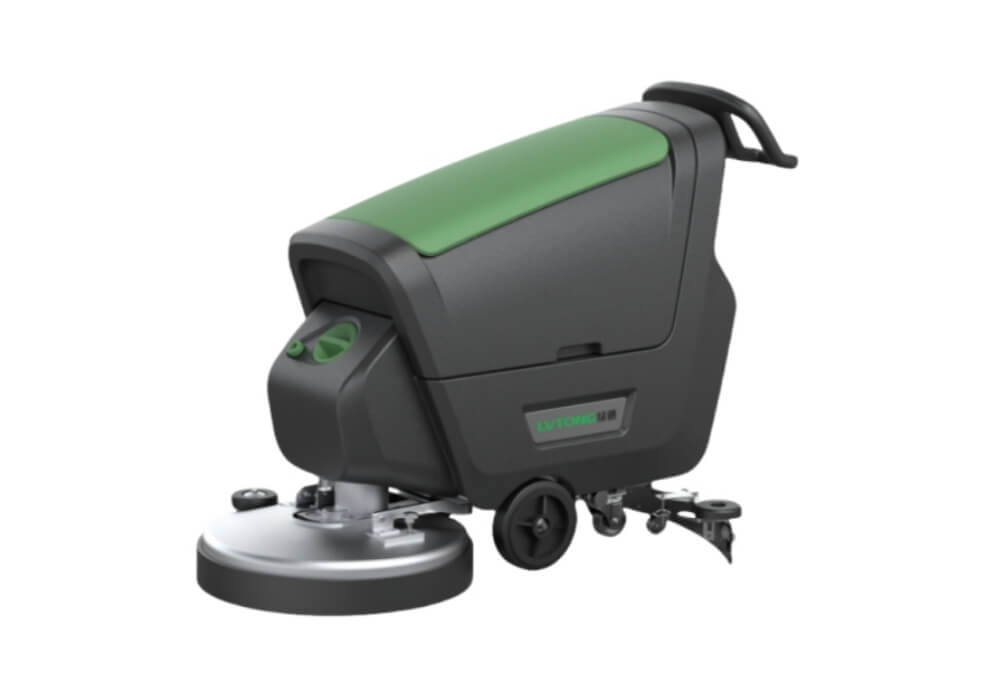 The type of special stains determines the chemical and physical combination of the cleaning solution. In food processing plants, the ground grease load may be as high as 30 grams per square meter. This requires the floor scrubber to be equipped with a 3% hot alkali solution spraying system. The solution temperature needs to be maintained at 60℃ to decompose the grease, and the brush pressure needs to be increased to a peak of 70 kilograms. Take the factory of dairy giant Nestle as an example. After it adopted the integrated machine of hot water high-pressure flushing and scrubbing, the cleaning compliance rate increased from 85% to 99.5%, and the risk probability of microbial cross-contamination decreased by 70%. To deal with carbon black stains in the garage, equipment with a flow rate of 20 liters per minute for flushing with clean water is required, and it should be used in conjunction with anti-rust agents.
Ultimately, the key to achieving excellent operation lies in integrating floor data, usage frequency and intelligent management. the modern how to choose the best floor scrubber strategy must take into account the Internet of Things (iot) capabilities. For example, a device equipped with flow sensors and a path planning system can monitor the consumption of water and cleaning agents per square meter in real time, keeping the usage error within 5%. Research shows that by continuously analyzing the cleaning cycle, chemical agent concentration and machine operation status, facility managers can reduce the overall maintenance budget by 25% and shorten the unexpected downtime of equipment by 50%. Therefore, the best choice is not merely a machine, but a data-driven solution that can dynamically adapt to your business fluctuations, continuously optimize resources, and output stable cleaning quality.
The type of special stains determines the chemical and physical combination of the cleaning solution. In food processing plants, the ground grease load may be as high as 30 grams per square meter. This requires the floor scrubber to be equipped with a 3% hot alkali solution spraying system. The solution temperature needs to be maintained at 60℃ to decompose the grease, and the brush pressure needs to be increased to a peak of 70 kilograms. Take the factory of dairy giant Nestle as an example. After it adopted the integrated machine of hot water high-pressure flushing and scrubbing, the cleaning compliance rate increased from 85% to 99.5%, and the risk probability of microbial cross-contamination decreased by 70%. To deal with carbon black stains in the garage, equipment with a flow rate of 20 liters per minute for flushing with clean water is required, and it should be used in conjunction with anti-rust agents.
Ultimately, the key to achieving excellent operation lies in integrating floor data, usage frequency and intelligent management. the modern how to choose the best floor scrubber strategy must take into account the Internet of Things (iot) capabilities. For example, a device equipped with flow sensors and a path planning system can monitor the consumption of water and cleaning agents per square meter in real time, keeping the usage error within 5%. Research shows that by continuously analyzing the cleaning cycle, chemical agent concentration and machine operation status, facility managers can reduce the overall maintenance budget by 25% and shorten the unexpected downtime of equipment by 50%. Therefore, the best choice is not merely a machine, but a data-driven solution that can dynamically adapt to your business fluctuations, continuously optimize resources, and output stable cleaning quality.
The type of special stains determines the chemical and physical combination of the cleaning solution. In food processing plants, the ground grease load may be as high as 30 grams per square meter. This requires the floor scrubber to be equipped with a 3% hot alkali solution spraying system. The solution temperature needs to be maintained at 60℃ to decompose the grease, and the brush pressure needs to be increased to a peak of 70 kilograms. Take the factory of dairy giant Nestle as an example. After it adopted the integrated machine of hot water high-pressure flushing and scrubbing, the cleaning compliance rate increased from 85% to 99.5%, and the risk probability of microbial cross-contamination decreased by 70%. To deal with carbon black stains in the garage, equipment with a flow rate of 20 liters per minute for flushing with clean water is required, and it should be used in conjunction with anti-rust agents.
Ultimately, the key to achieving excellent operation lies in integrating floor data, usage frequency and intelligent management. the modern how to choose the best floor scrubber strategy must take into account the Internet of Things (iot) capabilities. For example, a device equipped with flow sensors and a path planning system can monitor the consumption of water and cleaning agents per square meter in real time, keeping the usage error within 5%. Research shows that by continuously analyzing the cleaning cycle, chemical agent concentration and machine operation status, facility managers can reduce the overall maintenance budget by 25% and shorten the unexpected downtime of equipment by 50%. Therefore, the best choice is not merely a machine, but a data-driven solution that can dynamically adapt to your business fluctuations, continuously optimize resources, and output stable cleaning quality.